


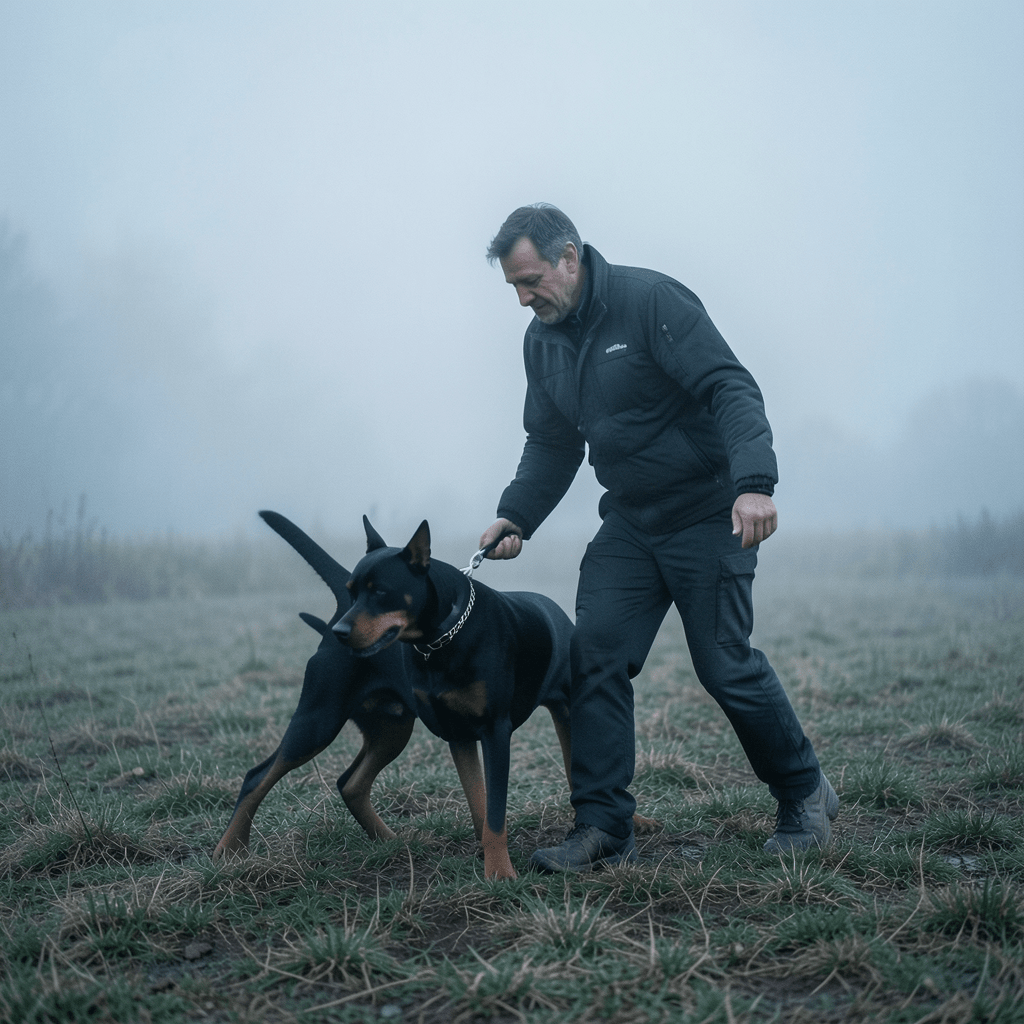







Overnight Dog Training for Faster Behavior Change
Overnight dog training has become one of the most effective solutions for dog owners seeking rapid, structured behavior improvement without the limitations of weekly lessons. Unlike traditional training formats, this immersive approach allows dogs to stay in a controlled learning environment where commands, discipline, and behavior correction are reinforced throughout the day and night.
For busy owners, consistency is often the biggest challenge in training. Overnight dog training solves this by removing inconsistency and replacing it with structured repetition. Programs such as those offered by Rob’s Dog Training at are designed to help dogs learn faster, retain commands longer, and develop balanced behavior in real-world environments.
Within the first 100 words, it is important to understand that overnight dog training is not just convenience it is a behavior transformation system built on repetition, structure, and professional guidance.
Why Overnight Dog Training Produces Faster Results
The success of overnight dog training lies in one key principle: consistency. Dogs learn through repetition, timing, and clear communication. When training happens only once or twice a week, progress can be slow due to long gaps between reinforcement. However, when training is continuous, learning becomes significantly faster.
In an overnight training environment, dogs receive structured guidance throughout the entire day. This eliminates confusion and reinforces expectations consistently.
Key reasons this method works so well include:
- Continuous reinforcement of correct behaviors
- Immediate correction of unwanted actions
- Removal of inconsistent household training patterns
- Repetition in real-life scenarios
Dogs thrive in structured environments where expectations do not change. This stability accelerates learning and improves long-term behavior retention.
The Science Behind Overnight Dog Training
Overnight dog training is grounded in behavioral psychology principles such as operant conditioning and associative learning. Dogs begin to associate specific behaviors with outcomes—positive or corrective based on immediate feedback.
When reinforcement is consistent, neural pathways associated with obedience strengthen more quickly. This is why immersive training often produces results in days or weeks that might otherwise take months.
Another important factor is environmental control. In home settings, distractions are unpredictable. In structured training environments, distractions are introduced gradually and intentionally, helping dogs build focus and discipline step by step.
This combination of consistency, timing, and controlled exposure creates a powerful learning environment that supports long-term behavioral change.
What Happens During Overnight Dog Training
A structured overnight dog training program follows a carefully designed daily routine. Each stage of the day serves a specific purpose in shaping behavior, building discipline, and reinforcing obedience.
1. Foundational Obedience Training
Dogs begin with essential commands such as sit, stay, heel, down, and recall. These foundational skills are practiced repeatedly until responses become automatic.
Consistency is key at this stage. Commands are reinforced in different environments to ensure the dog understands expectations regardless of distractions.
2. Behavioral Correction Sessions
Unwanted behaviors such as jumping, excessive barking, leash pulling, or aggression are addressed using structured correction techniques. The goal is not punishment, but clear communication and redirection toward appropriate behavior.
Dogs learn boundaries in a calm, controlled manner that helps reduce stress and confusion.
3. Structured Social Exposure
Socialization is a critical part of overnight dog training. Dogs are exposed to other dogs, people, and environments in a controlled way. This helps reduce fear-based reactions and builds confidence.
Proper social exposure also improves adaptability, making dogs more comfortable in public settings.
4. Rest and Behavioral Processing
Rest periods are intentionally built into the training schedule. Dogs do not simply learn through activity they also process information during downtime. Structured rest helps reinforce learning and prevents overstimulation
Benefits of Overnight Dog Training for Owners
Overnight dog training is not only beneficial for dogs—it also provides significant advantages for owners who may struggle with time, consistency, or behavioral challenges at home.
Some key benefits include:
- Reduced stress during daily walks and routines
- Improved communication between owner and dog
- Faster resolution of behavioral issues
- Increased confidence when handling the dog
- Professional guidance throughout the process
For many owners, the biggest advantage is peace of mind. Knowing that training is happening consistently and correctly removes uncertainty and frustration from the process.
Types of Dogs That Benefit Most
While nearly any dog can benefit from structured training, certain types see especially strong results from overnight dog training programs.
Puppies
Young dogs benefit from early structure and guidance. Overnight training helps establish good habits before bad behaviors become ingrained.
Rescue Dogs
Dogs with unknown histories often require behavior resets. Structured training helps them adapt to new environments and expectations.
High-Energy Breeds
Breeds with high energy levels often struggle with focus. Consistent training helps channel energy into productive behavior.
Dogs with Behavioral Issues
Dogs experiencing aggression, separation anxiety, or leash reactivity benefit from consistent correction and structured exposure.
Each program is typically tailored to the individual dog’s temperament, ensuring a customized approach that maximizes success.
Overnight Dog Training vs Traditional Training
Understanding the difference between overnight dog training and traditional training is important when choosing the right method.
Traditional training often involves weekly sessions where dogs learn in short bursts. Between sessions, reinforcement depends entirely on the owner, which can lead to inconsistency.
Overnight dog training, on the other hand, provides:
- Continuous supervision and correction
- Faster behavior repetition cycles
- Structured daily routines
- Reduced learning gaps
This immersive approach allows dogs to retain commands more effectively because learning is reinforced constantly rather than periodically.
How Owners Can Support Long-Term Success
Even after completing an overnight dog training program, continued reinforcement at home is essential for long-term success. Dogs thrive on consistency, and maintaining structure ensures that learned behaviors remain stable.
Best practices include:
- Practicing commands daily in short sessions
- Using consistent verbal cues and hand signals
- Rewarding positive behavior immediately
- Avoiding mixed signals or inconsistent discipline
- Reinforcing training in different environments
When owners maintain structure, trained behaviors become permanent habits rather than temporary improvements.
Choosing a Professional Training Program
Selecting the right training provider is one of the most important decisions in the process. A high-quality overnight dog training program should prioritize safety, structure, and humane training methods.
Key factors to evaluate include:
- Experience with behavior modification
- Clear daily training structure
- Positive reinforcement and balanced correction methods
- Transparent communication with owners
- Proven success with multiple breeds and behavior types
Rob’s Dog Training focuses on structured, results-driven programs designed to improve obedience while ensuring dogs remain confident and well-adjusted throughout the process.
The Long-Term Impact of Overnight Dog Training
The benefits of overnight dog training extend far beyond basic obedience. Dogs that undergo structured training often show improvements in confidence, stability, and emotional regulation.
Long-term results may include:
- Better leash manners in public spaces
- Reduced anxiety and reactive behaviors
- Stronger bond between dog and owner
- Improved adaptability in new environments
These outcomes contribute to a more balanced and enjoyable companionship between dogs and their owners.
Conclusion
Overnight dog training provides a powerful, structured, and highly effective approach to behavior modification and obedience development. By combining consistency, professional oversight, and immersive learning, dogs are able to achieve faster and more reliable results than traditional training methods alone.
For owners seeking a dependable and results-focused solution, Rob’s Dog Training offers a structured approach designed to build obedience, confidence, and long-term behavioral stability. With the right training environment and continued reinforcement at home, dogs can develop lasting habits that improve both behavior and quality of life.