








Kodak Business Failure as a Warning About Ignoring Digital Disruption
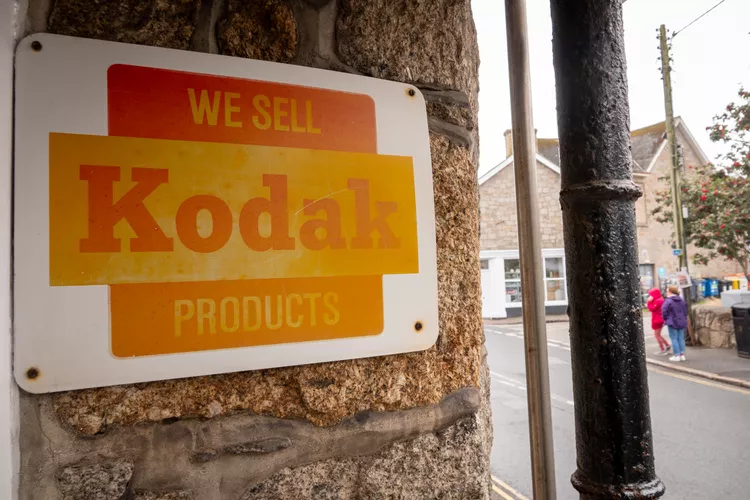
A company can own the future in a lab and still lose it in the market. Digital Disruption did not beat Kodak because the company lacked talent, patents, or brand trust. It missed the turn because the old profit engine looked safer than the new customer habit forming in plain sight. For U.S. founders, retailers, agencies, and local operators, the story is less about cameras and more about refusing to protect yesterday’s margins at tomorrow’s expense. Even a smart business visibility strategy cannot save a company that reads change as noise until customers have already moved. Kodak had deep skill, loyal buyers, and a name that meant family memories. Yet the company’s best asset became a trap when leaders treated digital photos as a threat to film instead of a new reason for customers to stay. That is why this case still bites. The warning is personal for any owner who says, “Our customers are not ready yet,” while younger buyers are already behaving differently.
The Kodak Failure Was Built Inside a Strong Company
The lazy version of the story says Kodak was blind. That is too easy. The more useful truth is sharper: the Kodak failure grew inside a company that could see more than most rivals could. Its people understood imaging, chemicals, film, retail processing, consumer behavior, and hardware. The problem was not ignorance. The problem was comfort with a machine that paid too well to question.
A profitable core can hide a weak future
Kodak’s film business was not some fading side project during its glory years. It was the heart of the company. Americans bought film before vacations, school events, birthdays, weddings, and small family moments that felt worth keeping. Then they paid again to develop those images. That repeat cycle gave Kodak a beautiful business model: sell the capture tool, sell the media, and earn from the processing chain around it.
That kind of model changes how leaders think. A weak product forces honesty. A rich product rewards delay. When a team sees high-margin sales month after month, danger can look academic. A slide deck about future customer behavior feels small beside the cash register. This is why business model change often arrives late in big firms. It is not because executives cannot read. It is because the old numbers still feel warmer than the new evidence.
The non-obvious lesson is that strong margins can make a company less brave. A local print shop in Ohio, a regional furniture store in Texas, or a SaaS firm selling to dentists can face the same trap. The current offer pays the bills, so the owner treats the next habit as a side channel. Then the side channel becomes the main road.
There is a second trap here, and it is quieter. A beloved product can turn into a language inside the company. People stop saying “customers want memories” and start saying “customers want film.” Those are not the same idea. Once the product and the need get mixed together, leaders defend the container instead of the job the customer hired it to do.
The first digital camera did not fit the old money machine
Kodak engineer Steve Sasson built an early self-contained digital camera prototype in 1975. The rough device was not a consumer dream. It was heavy, slow, and strange. But it carried a message that should have shaken the company: pictures could exist without film. That sentence alone threatened the whole house.
A common mistake is to judge early inventions by current customer taste. Early digital images looked poor next to film prints. Storage was awkward. Viewing needed extra hardware. So it was easy to say, “People will not want this.” Yet early technology often looks silly before it looks obvious. The first version of a threat usually seems too clunky to matter.
Kodak’s deeper issue was not that the prototype was weak. It was that success had trained the company to ask the wrong question. Instead of asking, “How will people take and share photos when quality improves?” it asked, “How do we stop this from hurting film?” Once that frame took hold, disruptive innovation became an internal enemy rather than a customer door.
This matters for owners because new habits rarely arrive looking ready. The first online booking system may feel clumsy. The first AI-assisted workflow may need editing. The first self-service customer portal may lack polish. But if the direction saves time, removes friction, or gives buyers more control, the rough version deserves respect.
Why Digital Disruption Punishes the Comfortable Leader
Markets do not announce a clean handoff. They drift, then snap. A company may keep selling the old product while the emotional center of the customer experience moves somewhere else. That is why the digital shift is so hard on leaders who wait for proof that feels safe. By the time the proof feels safe, the best window may already be gone.
Customer behavior changes before the income statement admits it
The first change is often small. A parent takes fewer rolls of film on a weekend trip. A teenager likes seeing a picture on a screen instead of waiting for prints. A small business owner wants images for a website, not a shoebox. None of these shifts looks fatal alone. Together, they tell you where the customer is going.
Kodak had a problem that many American companies still face: its financial statements measured the old behavior better than the new one. Film sales could be counted cleanly. Processing revenue had a clear path. Digital habits were messier. People were taking more photos, sharing them faster, and printing fewer of them. The value had not disappeared. It had moved.
This is the painful part. Leaders often say customers have become cheap when customers have become different. A gym owner may blame members for canceling when the real issue is that home fitness, short video coaching, and flexible scheduling changed the value test. A local newspaper may blame social media while missing the demand for fast community updates. The numbers tell you what happened. Behavior tells you what may happen next.
The buyer’s language will often change before the purchase order does. Listen for it. When customers ask, “Can I do this from my phone?” or “Can you send it today?” they are not making random requests. They are telling you which part of the old process has become too slow for their life.
Cannibalizing your own product can be the cleanest survival move
The phrase “do not kill the golden goose” sounds wise. It can also be a trap. If another company is going to weaken your old profit stream, you are safer doing it first with a product you control. The loss hurts either way. The difference is whether you keep the customer relationship.
Kodak did enter digital markets, but the company often seemed to protect film economics while trying to compete in a world that did not need film. That is an awkward stance. It is like a taxi company launching an app while hoping riders keep calling dispatch. The old habit and the new habit cannot both be sacred.
Disruptive innovation is not polite. It does not wait for your depreciation schedule, your dealer network, or your sales team bonus plan. A buyer only asks, “Does this solve my problem in the way I now prefer?” If the answer is yes, loyalty gets thinner. The counterintuitive move is to treat self-cannibalization as customer retention, not self-harm.
A software company can learn from this fast. Suppose its main revenue comes from expensive custom onboarding. A self-serve setup tool may reduce onboarding fees. That feels painful on paper. Yet if smaller customers want to start without a sales call, the company can either build that path or watch a younger rival take the account. The old fee was never the real asset. The relationship was.
What U.S. Businesses Should Read Between the Kodak Lines
Kodak’s story matters because most companies will never face a camera-to-phone shift. They will face smaller versions: AI tools changing service work, marketplaces changing local demand, short-form video changing product research, or subscription fatigue changing software sales. The lesson is not “be more digital.” That advice is shallow. The lesson is to build a company that can admit when its favorite profit pool is becoming the wrong place to stand.
Innovation theater is not the same as a hard choice
Many firms love innovation as long as it stays in a room with whiteboards. They run pilots. They name teams. They attend conferences. They announce programs. None of that means the company has made a choice. A hard choice moves money, staff, authority, and patience away from the old center of gravity.
Kodak had technical knowledge. It had patents. It had engineers who understood where imaging could go. Yet knowledge sitting below a protected legacy system does not become strategy on its own. The company needed digital work to shape the main business, not decorate it.
Kodak’s own 2013 SEC annual report reflects how serious the reset became after Chapter 11 proceedings and reorganization. By then, the issue was no longer a neat strategy debate. It was a fight to reshape a company after the market had already punished the delay.
A practical test helps here. Ask where your best people are assigned. Ask which project gets defended when budgets tighten. Ask whether the new idea is allowed to reduce revenue in the old line for a while. If the answer is no, you do not have a strategy. You have theater. A related business risk planning guide can help owners separate experiments from decisions before money gets wasted.
Middle managers often protect the past without meaning to
It is easy to blame the boardroom. But companies are living systems, and middle layers decide what gets oxygen. A sales manager paid on film volume will not cheer a product that lowers film use. A retail partner built around processing prints will not rush toward a screen-first habit. A finance team trained to reward near-term margin will treat a lower-margin growth bet like a leak.
None of these people have to be villains. That is what makes the pattern hard to fix. Most are doing the job the company asked them to do. They protect the scorecard. They reduce risk. They keep the current machine running.
The owner’s job is to change what the system rewards before the market forces the issue. For a U.S. HVAC company, that may mean paying staff for maintenance plan renewals instead of one-time installs. For a marketing agency, it may mean rewarding client outcomes rather than billable hours. Kodak failure shows that culture is not posters on a wall. Culture is what gets funded when the old model feels threatened.
The same pattern shows up in small firms with no formal middle management. A founder may say she wants new revenue, then approve only work that supports the old offer. A shop owner may ask for online growth, then measure staff by in-store traffic alone. Incentives are instructions. People follow them even when the mission statement says something else.
Building a Company That Can Outgrow Its Favorite Past
A warning has no value if it only creates fear. The better use of Kodak’s story is to build habits that make denial harder. You do not need to chase each trend. You do need a way to notice when customers are shifting their time, trust, and wallet toward a new path.
Treat weak signals like early smoke, not office gossip
Weak signals rarely arrive dressed as proof. A few customers ask for a new payment method. Search traffic changes. A younger buyer skips the sales call and wants a pricing page. A competitor with less polish starts winning because it offers speed. Many leaders dismiss these signals because each one sounds small.
The better move is to keep a simple signal log. Write down repeated customer requests, lost-deal comments, support complaints, and new competitors. Review them once a month. Do not debate each item forever. Look for a pattern. Smoke in one room may be nothing. Smoke in four rooms deserves action.
Here is the non-obvious part: weak signals are often more honest than surveys. Customers may tell you they still value the old product because they remember liking it. Then their behavior says they want the new path because it fits their day. Kodak’s customers loved memories. They did not owe loyalty to film.
A signal log also lowers ego in the room. Instead of arguing from taste, the team argues from repeated customer evidence. That matters because denial often hides inside opinion. “Our buyers like personal service” may be true, but it may also mean they like answers, trust, and speed. A digital tool can sometimes deliver those pieces better than a phone tag routine.
Make business model change a measured habit
Business model change should not be saved for panic. By then, fear drives the room. Owners make wild cuts, chase bad deals, or copy competitors without knowing why. A healthier company creates small tests while the old model still funds them.
Start with one protected experiment each quarter. Give it a clear customer problem, a spending limit, and a decision date. Let it compete honestly against the current offer. A restaurant group might test prepaid family meal subscriptions. A local law firm might test fixed-fee packages for common matters. A B2B service firm might test a productized audit before selling long retainers.
Then decide like an owner, not like a fan of your past. Did customers adopt it without heavy pushing? Did it shorten the path to value? Did it open a buyer group the old model missed? This is where a market timing checklist can keep the discussion grounded. The goal is not to predict the future with perfect aim. The goal is to stop treating change as an emergency visitor.
The habit works because it keeps identity separate from income. A company is not its current package, tool, store layout, or sales script. It is a promise to solve a problem better than the customer’s other options. When that promise stays clear, business model change becomes less frightening. You are not betraying the past. You are keeping the promise alive.
Conclusion
Kodak’s story still feels uncomfortable because it removes an excuse. The company was not too small, too unknown, or too far from the technology. It had talent near the center of the shift. It had a trusted name. It had time. What it lacked was the will to let the next customer habit reshape the business before the old one lost power. The warning behind Digital Disruption is simple: the market does not care which profit stream made you famous. It cares whether you still solve the customer’s problem in the form they now prefer. That is why the Kodak lesson belongs in boardrooms, local shops, agencies, and family-owned firms across the United States. Do not wait until the old numbers collapse before you believe the new behavior. Build small tests, change incentives, and protect the customer relationship even when it means shrinking a familiar product. The past can teach you, but it should not get a vote forever. Choose the next version of your company before someone else chooses it for you.
Frequently Asked Questions
What caused Kodak to fail as a business?
Kodak lost ground because its film-centered model clashed with the rise of digital photography. The company had technical insight, but it protected a high-margin legacy business too long. The market shifted from prints and processing toward instant capture, storage, and sharing.
Did Kodak invent the digital camera?
Yes, Kodak engineer Steve Sasson built an early self-contained digital camera prototype in 1975. The invention showed that photography could move beyond film. The device was rough by modern standards, but the direction of the market was already visible inside it.
Why did Kodak ignore digital photography?
Kodak did not ignore it in a simple sense. The company invested in digital work, but its strongest profit came from film and processing. That made full commitment painful because the new product path threatened the old income stream.
What can small businesses learn from Kodak?
Small businesses should watch customer behavior before revenue drops. If buyers ask for faster service, online options, clearer pricing, or new formats, those requests may signal a market turn. Waiting for perfect proof can leave a company reacting too late.
Is Kodak still in business today?
Yes, Kodak still operates, but it is no longer the consumer photography giant it once was. After Chapter 11 restructuring, the company became more focused on commercial print, packaging, and related imaging technologies rather than mass-market film dominance.
How does disruptive innovation hurt established companies?
It often begins with a product that looks weaker than the old standard. Over time, it improves while offering a new kind of convenience. Established firms struggle when their teams judge the new offer by old profit rules instead of new customer habits.
What is the best way to prepare for business model change?
Run small tests while your current model still funds them. Track customer requests, lost deals, competitor moves, and changes in buying behavior. Then shift money and staff toward the tests that show real adoption, not internal excitement alone.
Why is Kodak used as a business case study?
Kodak is useful because it had talent, brand power, and early access to the technology that later hurt its core business. That makes the case more valuable than a simple story about bad luck. It shows how success can slow honest action.